Exploring Website Development Platform Options
Choosing the right website development platform is a big decision for small business owners. It's not just about creating a nice-looking site, but also about making everything work smoothly behind the scenes. A well-chosen platform can simplify our operations and help us grow our online presence. By deciding on the best website development platform, we can make sure that things run efficiently, allowing us to focus on what our business does best.
When considering a new website, it’s easy to focus on visuals, but the platform you choose will impact nearly every part of your business. From customer sign-ups and marketing opportunities to how simple it is to update content, website platforms affect both day-to-day routines and long-term goals.
Understanding Website Development Platforms
Website development platforms are tools that help us create and manage our own websites without needing to write code or hire a developer. These platforms are important for small businesses since they provide a user-friendly way to create a professional online presence. There are various types available, from DIY builders to professional services.
DIY builders are perfect if you want to get hands-on with your site. They offer drag-and-drop tools that let you customize everything. Professional website services, in contrast, might offer more support and advanced features. When picking a platform, choose one that is easy to use. This helps us manage our site independently, making updates whenever necessary without feeling overwhelmed.
Many platforms also come with customer support, educational resources, or community forums where business owners can find help. This support can be especially useful if you ever run into a technical question or want to learn a new feature. It’s reassuring to know that, even without a technical background, there are guides or live help options available, making the website-building process less intimidating.
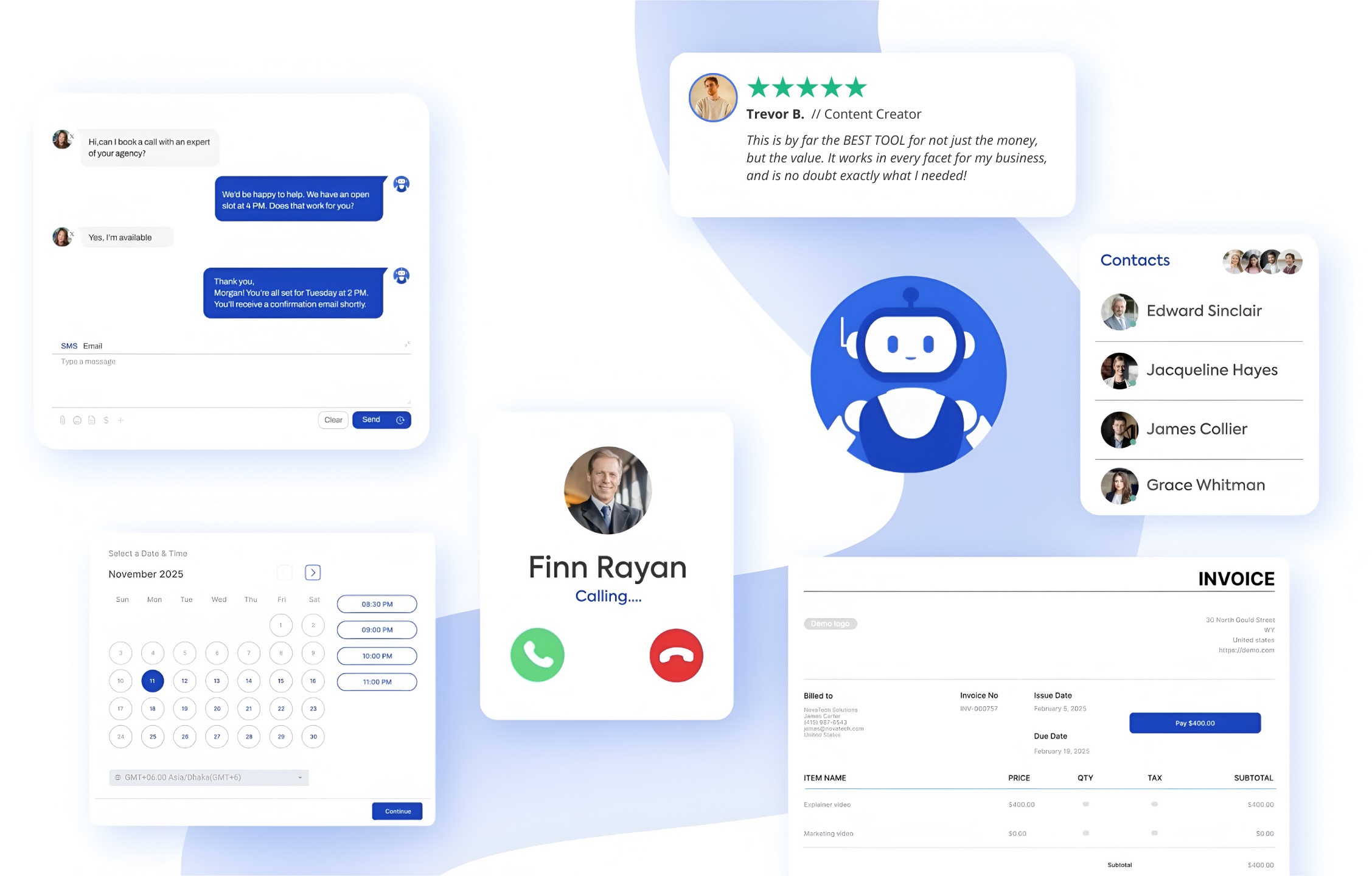
On the Full Scope platform, you can build a professional website with drag-and-drop editing, mobile-responsive templates, integrated online storefronts, and one-click appointment booking. No coding or separate plugins required.
Being able to manage your site in one place (and not having to juggle different logins for basic edits or updates) keeps things simple as your business grows. It’s helpful when the whole team can understand and use the platform, no matter their experience level.
Key Features to Consider in a Website Development Platform
When selecting a website development platform, consider several key features. Customizable templates are a great start, as they let us create a site that reflects our brand. Mobile responsiveness is a must-have feature since more people are browsing the web on their phones. Having a site that works well on mobile devices is important.
Integration capabilities matter as well. Look for platforms that work smoothly with tools such as CRM, email marketing, and payment processing. This makes it easier to manage different parts of our business from a single place, improving overall efficiency. SEO tools can help our site rank well in search results. A platform with built-in SEO features saves us time and effort in making our site discoverable.
Full Scope websites include native forms, products, event calendars, and a built-in blog, giving you everything needed to support marketing and operations as you scale.
Security should also be a top consideration. Website platforms should offer robust security features like SSL certificates, routine backups, and measures to protect against unauthorized access. This helps ensure your business and customer data stay safe, and you can focus on daily operations with peace of mind.
Ease of use is another area to evaluate closely. A good platform allows you to add, change, or remove content without needing to call in tech support all the time. Platforms designed for small businesses often include simple navigation and clear menus so you can update your website with confidence. This saves time and removes barriers to keeping your online presence fresh.
It’s also helpful if the platform lets you preview changes before they go live, set up recurring events easily, and manage multiple site features without opening different apps. Look for solutions that offer central dashboards, giving you an overview of both site management and customer activities in one spot.
Common Challenges and How Platforms Solve Them
Building and managing a website often comes with its set of challenges, especially for small business owners who might not have much technical knowledge. Common issues include keeping the website up to date and tracking how well it performs. A consolidated website development platform can help address these situations.
For example, platforms often have easy-to-use dashboards that make content updates simple. This means we can quickly change text or images on our site without having to know any technical skills. Many platforms include analytics tools to track how many people visit our site and what they do while there. This information is helpful for understanding our audience and making choices about our online strategies.
On Full Scope, your dashboard includes visual analytics, product order tracking, and real-time appointment scheduling, so you can manage site performance and day-to-day business tasks from one place.
Another headache for many business owners is staying consistent with marketing and communications. If you’re managing email lists, event invitations, product updates, and content posts across different services, details can slip through the cracks. An integrated website development platform prevents these mix-ups by tying everything together, minimizing missed opportunities and saving time spent switching tools.
Keeping your website secure and managing software updates are also big concerns. Platforms that offer automatic upgrades or maintenance take these worries off your plate, letting you focus on what matters, your business and your customers.
Tips for Selecting the Right Platform for Your Business
Finding the right website development platform starts with figuring out our business needs and budget. Here are some practical tips to guide us:
Identify your business goals. Consider what you need your website to do. Is it mainly an online store, an information hub, or something else?
Test options before committing. Many platforms offer free trials or demo versions. This lets us try their features and user interface to see if they meet our needs.
Consider scalability and future-proofing. A platform that can grow with our business is important. We should make sure it can handle more traffic or new features as our business grows.
A useful approach is to list out the core features you need before shopping around for platforms. Start by asking which everyday tools you already use or hope to use soon, then see if the platform can connect with them. For example, will it work with your email campaigns, event planner, or sales tracking system?
It can be helpful to talk with employees or partners to understand their needs as well. They might have ideas about website tools or design that help your daily business run more smoothly. Once you’ve found a platform that checks all your important boxes and feels comfortable to use, it becomes that much easier to keep your website updated, engaging, and aligned with your goals.
Keep in mind that a platform should never feel limiting. As your business shifts and grows, your website will need to change too. Select a system that allows for flexibility, like adding a new location or switching up your service offerings, without a complicated redesign.
Selecting the right platform comes down to finding one that is user-friendly and flexible enough to adapt as our business changes.
Achieving Business Growth through the Right Platform
Choosing an effective website development platform is a key step in supporting business growth. It helps organize website management, so we can spend time and resources on other strategic activities. By making these processes simpler, we build a stronger online presence that can help us connect with and attract new customers.
When we decide on a well-suited platform, we gain long-term benefits. It improves our online presence and supports better customer interaction. This might be through an easy-to-use interface or seamless integrations, but in each case, a careful choice can help our business succeed and grow online.
A reliable platform means fewer worries over security, lost data, or technical surprises, which lets us plan new projects and engage with our community without as many distractions. It becomes the digital foundation that supports your sales, marketing, scheduling, and communication.
As you keep your website updated and functional, you’re more likely to draw traffic and keep visitors coming back. The stability and features provided by the right platform help show customers they can depend on your business, which goes a long way in building trust and long-term growth.
Deciding on the right website development platform can greatly improve how we manage our business's online presence. Keeping our site functional and attractive helps us connect with customers more effectively. With Full Scope, you get a platform that works smoothly with tools you probably already use, such as email marketing and payment processing, making daily work easier. Our solutions grow as you grow, supporting any new features or increased web traffic. Contact us today to see how we can help with your business’s digital transformation.