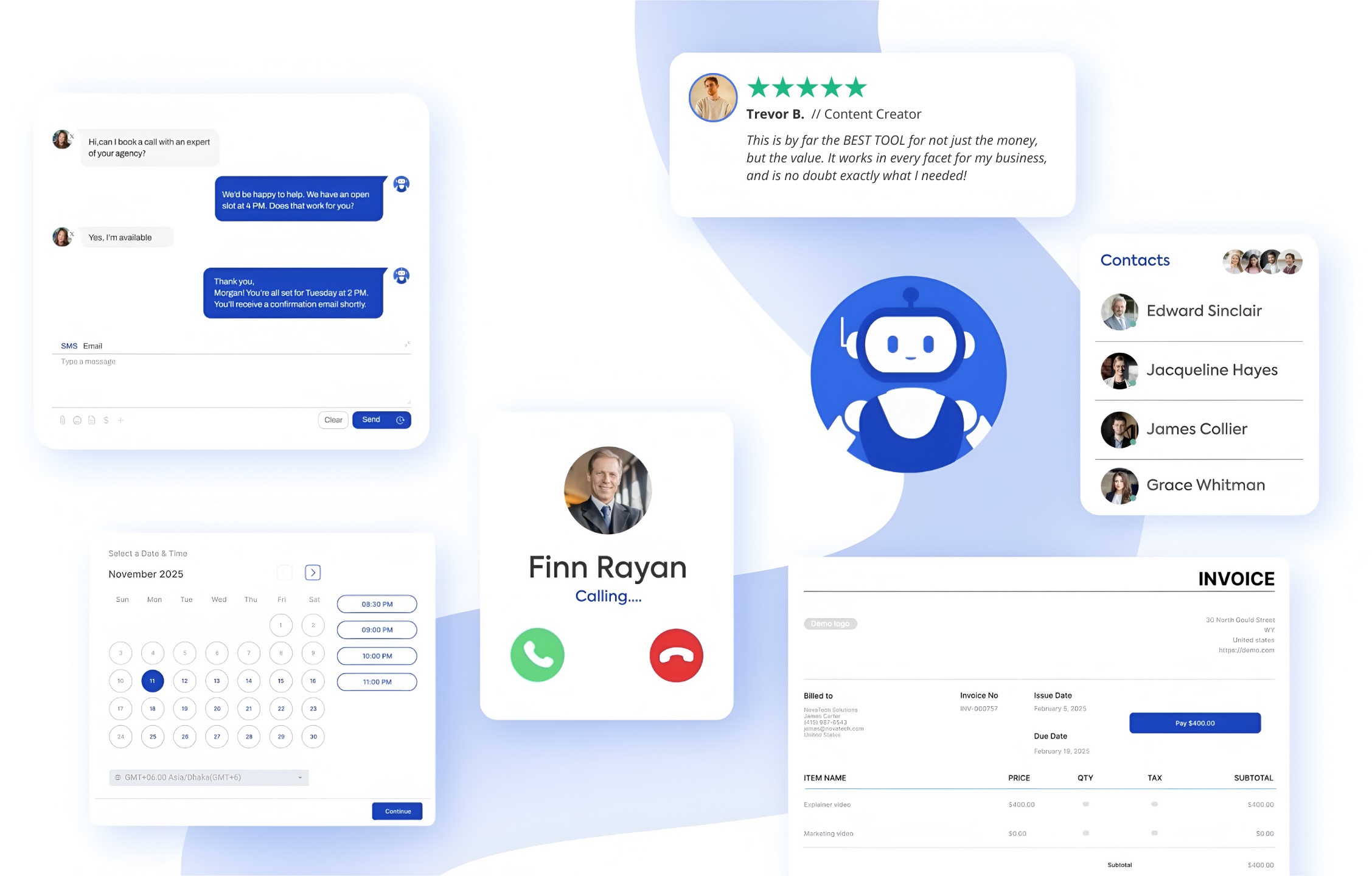
Improve Your Online Presence with Reputation Management
In today's digital world, managing your online reputation has never been more important for small businesses and freelancers. A strong online presence can mean the difference between thriving and struggling to attract clients. Reputation management software plays a crucial role, offering a streamlined way to manage and improve your digital image. This article discusses how these tools can help your business strengthen its presence and succeed.
Online reputation is more than just a reflection of customer experiences; it also encompasses all the information that is found about you or your business across the internet. This can include search engine results, reviews, and even mentions on social media platforms. In a landscape where people often perform research before making purchasing decisions, it becomes even more essential for businesses to pay attention to their reputation at all times.
How Reputation Affects Your Business
Reputation matters. It affects whether potential customers choose your services or opt for a competitor. People trust businesses with positive reviews and a consistent online image. Your reputation is often shaped by reviews and what is seen on social media. These reviews can greatly affect how others perceive your business. Positive feedback can open doors to new opportunities and growth. When customers see a business with a good reputation, they are more likely to trust and work with it.
A positive reputation not only encourages people to contact you, but it can also influence recommendations and word-of-mouth referrals. In the digital age, reviews are easily shared, and one negative review can have a wider impact than ever before. Customers often compare businesses by checking online ratings and reading specific stories about real-life experiences. If potential clients see glowing reviews and thoughtful responses to feedback, they are more likely to feel comfortable reaching out or making a purchase.
Whether you are a small business owner or an independent freelancer, your online reputation is often the first impression others get about you. In many cases, it even determines whether you are included on shortlists when customers search for products or services you offer. That is why maintaining a positive digital reputation is a foundational step in building a resilient and successful brand.
Common Challenges in Managing Online Reputation
Managing your online reputation comes with challenges. Small business owners often have trouble keeping up with reviews and feedback. Negative reviews can create obstacles, and maintaining consistent branding across platforms is an ongoing task. Ignoring these challenges can slow business growth. Negative reviews that are left unanswered may discourage potential customers. Handling customer feedback and maintaining a consistent image requires ongoing attention.
One major challenge is time management. With multiple review platforms and social media sites to monitor, it is easy to miss important feedback or struggle to respond promptly. This can lead to delays in addressing critical issues or even missing opportunities to showcase your responsiveness. Additionally, small teams or individuals may lack the resources or dedicated staff to track every review and mention. As a result, feedback can go unnoticed or be addressed too late to make a meaningful difference.
Another obstacle is handling negative comments constructively. It can be tough to know the best way to reply to critical reviews or unfavorable social media posts. Some businesses may react defensively, but such responses may harm credibility. Others may avoid responding altogether, but this approach can appear unprofessional and indifferent. Finding the right balance, and maintaining a polite, solution-oriented tone, even when criticism is harsh, can be a real test for businesses aiming to present themselves positively.
Finally, there is the challenge of maintaining a unified brand image across different platforms. Brand consistency ensures that your messaging, visuals, and customer interactions align, regardless of where they take place online. When messaging becomes fragmented, potential customers may feel confused or uncertain about your business values. Carefully curated strategies and standardized guidelines are needed to prevent this type of confusion, ensuring that your reputation remains strong.
Features of Effective Reputation Management Software
Reputation management software can be a valuable tool. Key features to look for include:
• Review monitoring
• Automated response capabilities
• Integrated analytics
On Full Scope, you can receive real-time alerts when new reviews are posted, request reviews from satisfied customers, and generate reports to track your reputation trends across platforms. Centralized dashboards let you respond to feedback from Google, Facebook, and Yelp in one place.
A great reputation management platform should allow you to set up notifications or digests, so you have a constant pulse on how your business is viewed online. These systems often come with templates and customization options for responses, making it easier to reply quickly and confidently. Automated workflows help save time, and integrated analytics simplify the process of discovering trends, outliers, or changes in customer sentiment.
Analytics offer insights into how your reputation changes over time, allowing you to make informed decisions that better meet customer needs and expectations. Being able to run custom reports and track your business across multiple review channels provides a comprehensive view of your digital footprint. This also makes it possible to identify strengths to build upon and weaknesses to address, helping you refine your customer service and outreach strategies.
Integrations with other business software can enhance productivity and further simplify your operations. By connecting your reputation management system with your CRM, for instance, you can keep detailed notes tied to customers, set reminders for outreach, or automate follow-up emails requesting reviews.
Steps to Enhance Your Online Presence
Building a positive online image involves several steps. Here is a simple guide:
1. Use reputation management software to track what people are saying about your business.
2. Encourage satisfied customers to share their positive experiences.
3. Address negative feedback constructively to show that you value customer input.
4. Keep your brand's message consistent across all platforms by regularly monitoring and engaging with your audience.
Adding structure to these steps can help you make the most out of your reputation strategy. For example, you can create surveys or feedback forms to gather more detailed insights from customers. Making use of automated reminders to follow up after a purchase encourages customers to leave reviews when their experience is still fresh. Personalizing your communications, by referencing specific transactions or details, shows attention to detail and makes customers feel valued.
Monitoring keywords and phrases related to your business can further help ensure you never miss a chance to join important conversations. Setting up alerts for your brand name, competition, or industry trends puts you ahead when it comes to identifying opportunities and risks. Staying active and engaged keeps you relevant in the eyes of your audience and shows that your business genuinely cares about feedback.
Consistent engagement helps maintain your reputation and builds trust with your audience. Sharing positive reviews on your website and social profiles amplifies your good reputation and demonstrates that your business appreciates customer recognition. Periodically review and update your messaging to ensure it accurately reflects your services, values, and commitment to quality, making your brand attractive and trustworthy.
Improving Customer Trust Through Reputation Management
Taking control of your online reputation provides long-term benefits. By actively managing what potential customers see, you can strengthen your brand's image and build customer trust. Software tools assist in this by making it easier to manage reviews, gather feedback, and respond promptly. When you handle your online presence consistently, it brings value to your business by supporting growth and establishing credibility. Trust develops over time, and a positive digital footprint demonstrates reliability and your commitment to your customers.
Consistent, proactive engagement in reviews helps you learn about customer needs while showing anyone who reads your responses that you care about their experience. Being transparent about how you address negative feedback and resolve issues helps potential clients trust your approach, even if every review is not perfect. Over time, this openness and responsiveness become integral to your brand, setting you apart from competitors.
Building customer trust is a continuous process. Each positive review you receive and each constructive reply you provide add up to a powerful reputation that influences prospects and strengthens loyalty. Customers are more likely to stay with companies that appreciate their feedback and show a willingness to improve. Leadership in reputation management inspires confidence, helping you maintain a solid presence even as market conditions or trends shift.
Managing your digital reputation is key to building trust and attracting more customers. With Full Scope’s support, you can take charge of your online presence with confidence. Our reputation management software makes it easy to monitor reviews and customer feedback so you can respond quickly and maintain a positive image. Trust grows when you actively manage your reputation, share authentic stories, and engage with your audience. Reach out to us to discover how Full Scope can help you thrive.