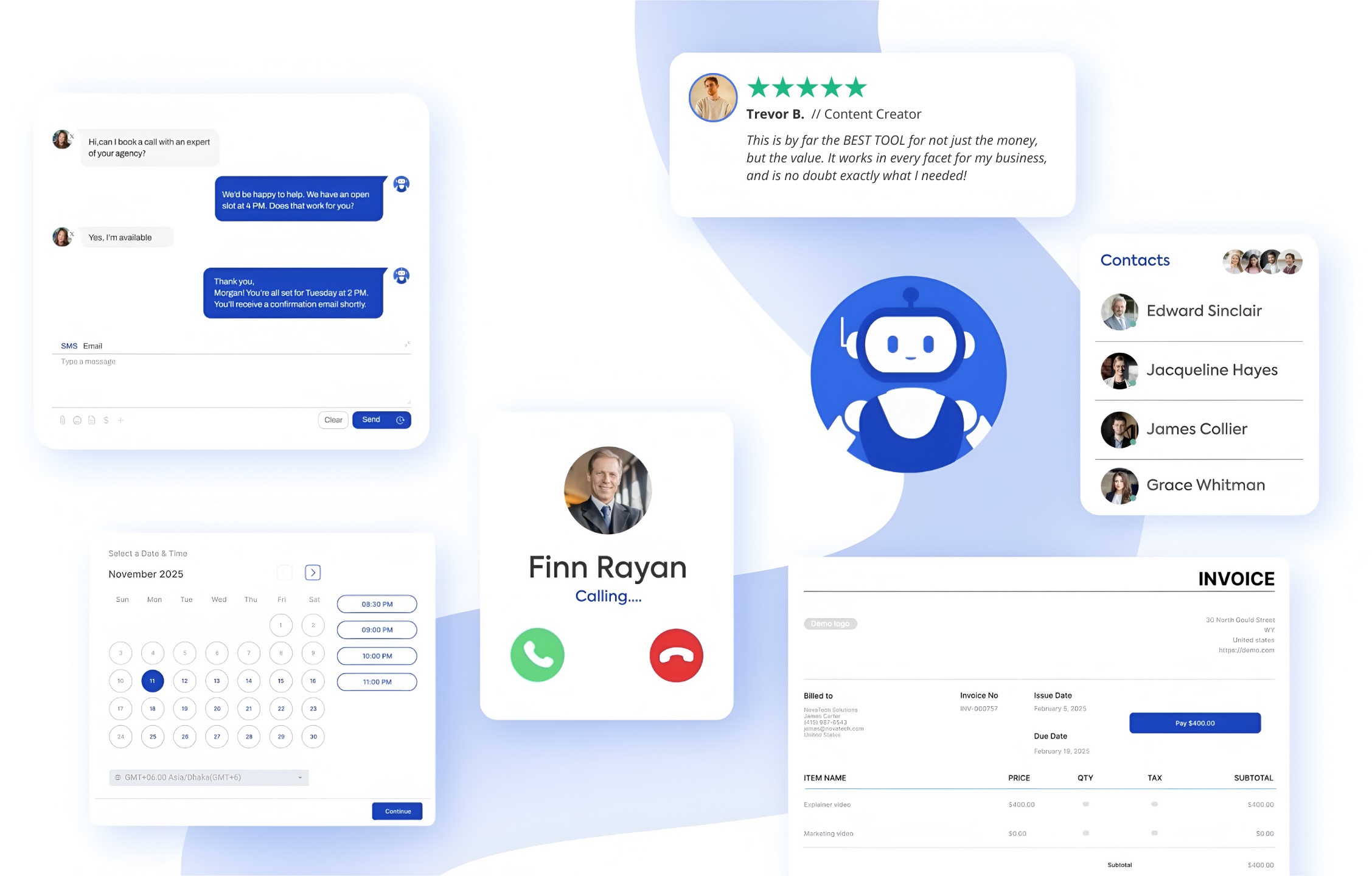
Marketing Workflow Automation for Small Businesses
As small business owners, we are always on the lookout for efficient ways to simplify our daily operations. One key area that can truly benefit from a more streamlined approach is marketing. This is where marketing workflow automation comes into play, transforming how we handle our tasks and ultimately boosting our productivity. By automating repetitive and mundane tasks, we gain more time to focus on what truly matters: growing our business and connecting with our audience.
Marketing in today’s competitive landscape requires agility and a consistent approach. Staying organized and efficient with a limited team is often a juggling act. Many business owners feel buried by constant small tasks that eat into the hours meant for innovation and growth.
As owners reflect on what their businesses need, the solution often involves working smarter rather than harder. Adopting marketing workflow automation ensures we are spending less time on busywork and more time building meaningful customer relationships.
Understanding Marketing Workflow Automation
Marketing workflow automation involves using technology to automate repetitive and routine marketing tasks. It's like having a trusty assistant handle these tasks while we focus on the bigger picture. Automation covers a wide range of activities, helping us maintain consistency and reduce manual errors.
In practical terms, marketing workflow automation can manage everything from scheduling social media posts to sending follow-up emails. These tasks, while important, often eat up our time. By automating these processes, we quickly see the benefits of efficiency and consistency. It keeps our marketing efforts always on point, leaving a lasting impact on our customers.
Automated workflows can also include lead generation, nurturing prospects, segmenting your audience, and even sending reminders for events, webinars, or appointments. Every communication step, from the first introduction to long-term engagement, can be more targeted and strategic. With automation, businesses can also track effectiveness and optimize their messaging over time, using insights gained to fine-tune campaigns.
Identifying Pain Points in Marketing Operations
Running a small business often means juggling various tasks at once. Marketing is no exception, and it can come with its own set of challenges. We often face issues like time constraints, limited resources, and the sheer volume of tasks that need attention. These pain points can slow our growth and prevent us from reaching our full potential.
In particular, manual processes tend to slow us down and are prone to errors. By automating these processes, we can relieve some of these burdens. Automation plays an important role in identifying and solving these pain points, allowing us to focus on creativity and strategic planning instead of routine tasks.
When these pain points persist, team morale may drop as employees feel overwhelmed by repetitive tasks instead of engaging in strategic thinking. Marketing initiatives may stall or become inconsistent, which can affect the impression your customers have of your brand. Identifying specific bottlenecks, such as scheduling email newsletters, collecting leads, or processing follow-up actions manually, helps pinpoint where automation offers the highest value.
Choosing the Right Tools for Automation
Finding the perfect automation tool can feel like a big decision. We need something that fits our business like a glove. Here’s what to consider:
User-friendliness: The tool should be easy to use and not require a tech genius to operate. Our team should feel comfortable with it from the start.
Compatibility: It should work well with the tools we already use, minimizing friction in our daily operations.
Support: Good customer support is helpful if we hit a snag along the way.
Expanding your marketing automation means choosing software that can grow with your business. Whether your business relies on sending newsletters, executing complex sales flows, or coordinating cross-channel marketing efforts, the chosen platform should handle your immediate needs and offer room for future expansion.
Many automation tools also offer reporting dashboards and analytics, so decision makers can track what’s working in real time. Integration with other platforms, like your website, CRM, or ecommerce tools, is vital. A truly valuable solution should bring your marketing ecosystem together, saving even more time and reducing complexity for your team.
By focusing on these features, we can find a tool that fits our budget and grows with us as our business expands. On Full Scope, all core marketing features (emails, landing pages, social campaigns, reporting) are included with a single subscription and do not require separate add-ons or hidden fees.
Implementing Automation Successfully
Making automation work smoothly in our current setup matters. Here’s how we can do it:
Take small steps: Gradually introduce automation instead of changing everything at once. This lets us learn and adapt without overwhelming everyone.
Train the team: Everyone should understand how the new system works. Training helps make the transition smoother and helps everyone be on the same page.
Keep evaluating: Regularly check the effectiveness of automated processes. This way, we can tweak and improve them as needed to suit our needs.
As your business begins rolling out automation, designate a point person or small team responsible for managing the process and gathering feedback from users. This will help address unforeseen complexities and ensure any issues are met with quick solutions. Plan regular check-ins after launching automation features to get input from your staff and look for possible improvements.
Measuring the success of automation means keeping an eye on certain metrics. Check how much time we are saving and the quality of outputs. These steps make for a smoother integration, making automation an asset instead of just another task.
As systems become more automated, businesses may also see improved client retention and higher conversion rates. These outcomes are often the result of timely messaging, consistent follow-up, and fewer errors in client interactions. While numbers like open rates and response times provide useful insight, remember to include qualitative feedback from team members on how automation is impacting their attention to other priorities.
Streamlining Success with Automation
When we use marketing workflow automation, we open the doors to new possibilities for business growth. As routine tasks are lifted off our shoulders, we gain back valuable time and resources. This new efficiency lets us put effort toward creative work and strengthening customer relationships.
Automation fosters a proactive business culture by minimizing frantic last-minute promotions and freeing up our schedule for content planning, partnerships, or brainstorming. We all know how unpredictable marketing demands can be, but automation allows us to stay ahead and devote energy to high-impact tasks. This ongoing focus leads to more strategic decisions and adaptability when circumstances change.
With steady evaluation and adjustments, we make sure automation keeps aligning with our goals. This approach simplifies our operations and helps us adjust to changing needs. Using this technology lets us be more flexible and effective in meeting the demands of marketing.
For many businesses, this journey with automation is ongoing. Setbacks or moments of confusion may occur, but staying open to feedback and regularly reviewing your marketing approach ensures continued improvement.
Over time, automation can reveal trends and opportunities that manual processes might have missed. With a reliable system in place, small business owners have more confidence to scale marketing initiatives without sacrificing quality or customer focus.
At Full Scope, we're dedicated to simplifying business processes for small business owners, freelancers, and entrepreneurs. By incorporating marketing workflow automation into our operations, we've discovered that routine tasks become more manageable, giving us the freedom to focus on innovation and client relationships. This approach reduces overhead and improves our marketing efficiency. To learn more about how this can transform your marketing efforts, contact us today.